
DIY Event Planning: Tips for Hosting a Successful Party


Understanding Your Event's Purpose
Before diving into the details of DIY event planning, it's crucial to understand the purpose of your event. Whether it's a birthday party, a holiday gathering, or a casual get-together, having a clear goal will guide all your decisions. Consider what you want to achieve and how you want your guests to feel.
Once you've identified your event's purpose, create a theme that resonates with it. A theme not only sets the tone but also makes planning easier by narrowing down choices for decor, food, and activities.

Budgeting for Your Event
Setting a budget is one of the most crucial steps in planning any event. Decide how much you're willing to spend and allocate funds to different categories like food, decor, and entertainment. Be realistic about your financial limits and prioritize spending on items that will enhance guest experience.
Consider DIY solutions to save money. Handmade decorations and home-cooked meals can be both cost-effective and personal. Always keep an eye out for sales or discounts when purchasing supplies.
Creating a Guest List
Your guest list will significantly influence other aspects of your event, such as venue size and catering needs. Start by considering who you want to invite and how many people your space can accommodate comfortably. Remember, a more intimate gathering can often be more enjoyable and manageable.
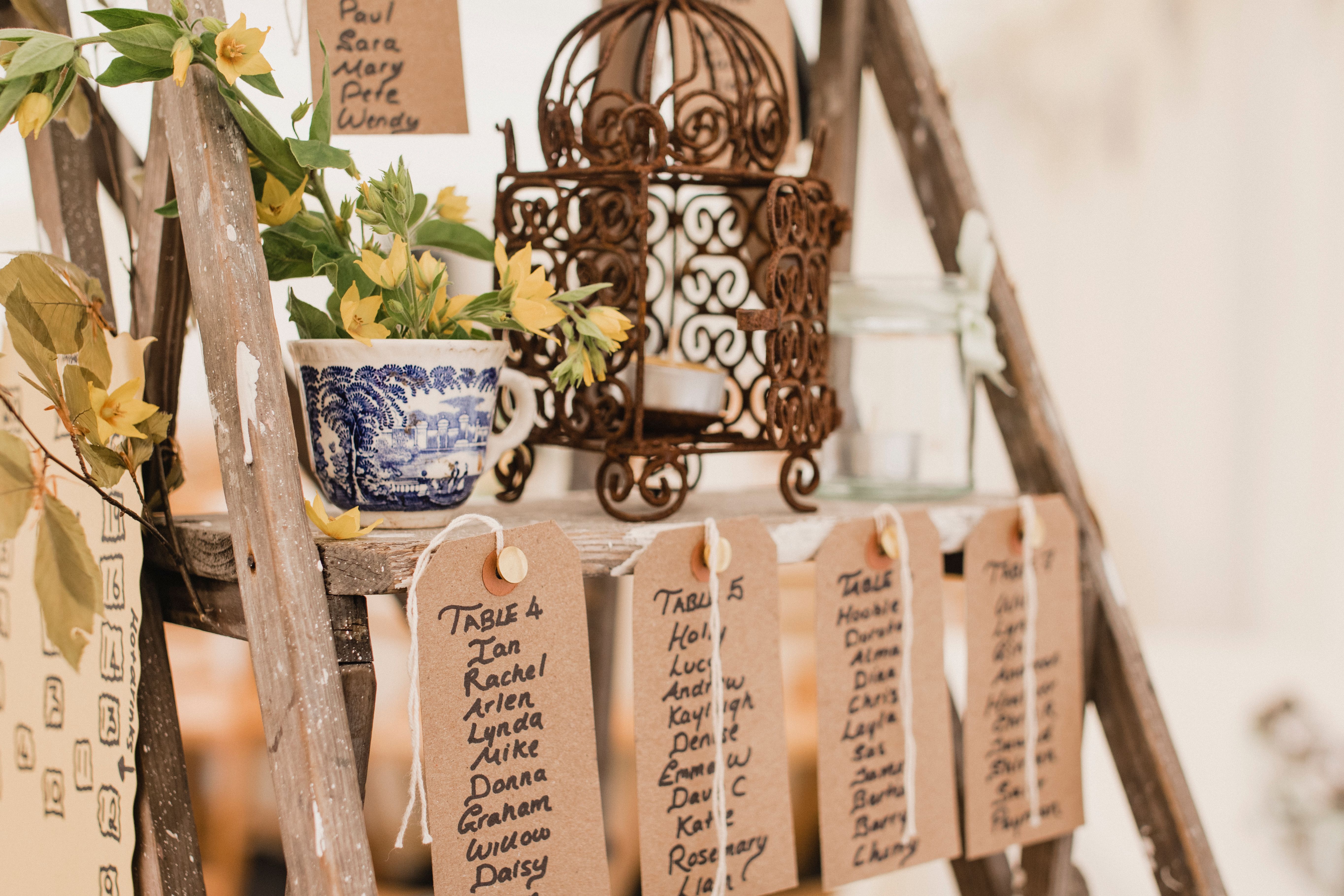
Send out invitations well in advance. Whether you opt for traditional paper invites or digital ones, make sure to include RSVP details so you can plan accordingly.
Choosing the Right Venue
The venue is where your event comes to life. If you're hosting at home, ensure there's enough space for guests to move around comfortably. For larger gatherings, consider renting a community center or outdoor space. The key is to match the venue with the theme and size of your event.
Visit potential venues beforehand to assess amenities, parking availability, and accessibility. This will help you avoid any surprises on the day of the event.

Menu Planning
Food is often a highlight of any party. Plan a menu that suits your theme and guest preferences. Decide whether you'll serve a full meal or finger foods that are easy to prepare and eat. Consider any dietary restrictions your guests may have.
If cooking isn't your forte, consider catering options or asking friends to contribute dishes potluck-style. This approach not only lightens your load but also adds variety to the menu.
Decor and Ambiance
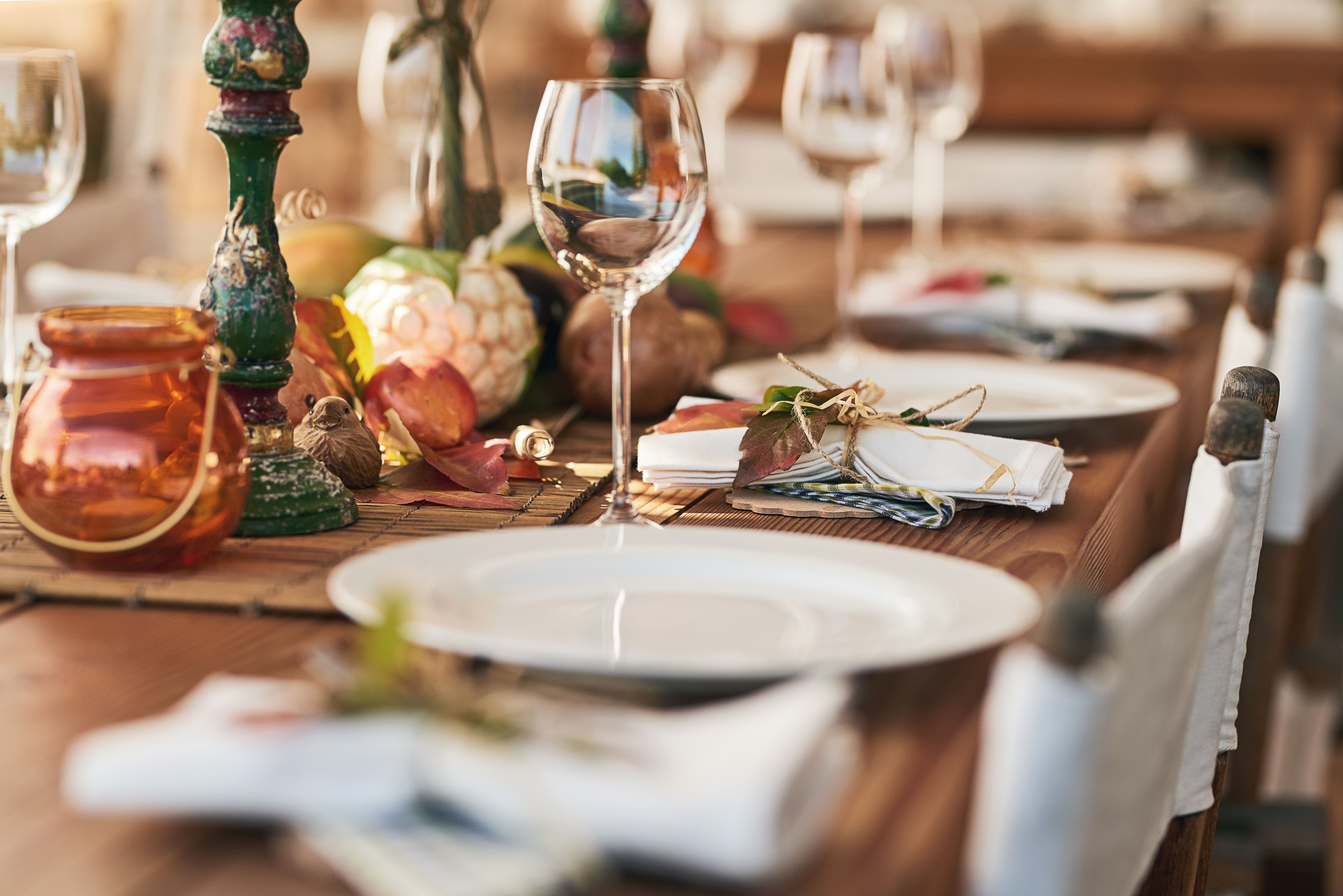
Decorations set the mood for your event. Use elements like lighting, table settings, and wall decor to enhance your theme. DIY projects such as handmade centerpieces or banners can add a personal touch without breaking the bank.

Don't forget about music. Create a playlist that complements your event's atmosphere. Whether it's upbeat tracks for a lively party or soft tunes for an intimate gathering, music is essential in creating the right ambiance.
Engaging Activities
Activities can make or break an event. Plan games or entertainment that will engage your guests and fit within your theme. Consider interactive options like photo booths or DIY craft stations for added fun.
If you're planning speeches or performances, schedule them at times when they'll have the most impact but won't disrupt the flow of the party.
Final Touches and Execution
As the day approaches, review your plans and make final adjustments. Create a timeline for setting up and ensure you have all supplies ready in advance. On the day of the event, enlist help from friends or family to manage tasks efficiently.
Remember, the key to a successful DIY event is flexibility. Not everything may go as planned, but with preparation and a positive attitude, you can host an unforgettable party that leaves your guests talking long after it's over.