
Common Mistakes to Avoid When Planning Events in Spain


Understanding Local Culture and Customs
When planning an event in Spain, it’s essential to have a strong understanding of the local culture and customs. Spanish people are known for their relaxed and sociable nature, and it's crucial to incorporate these elements into your event. Be aware that the concept of time can be more flexible in Spain, known as "mañana" culture, where punctuality is not as strict as in other countries. Ensure you’re prepared to adapt to this cultural nuance.
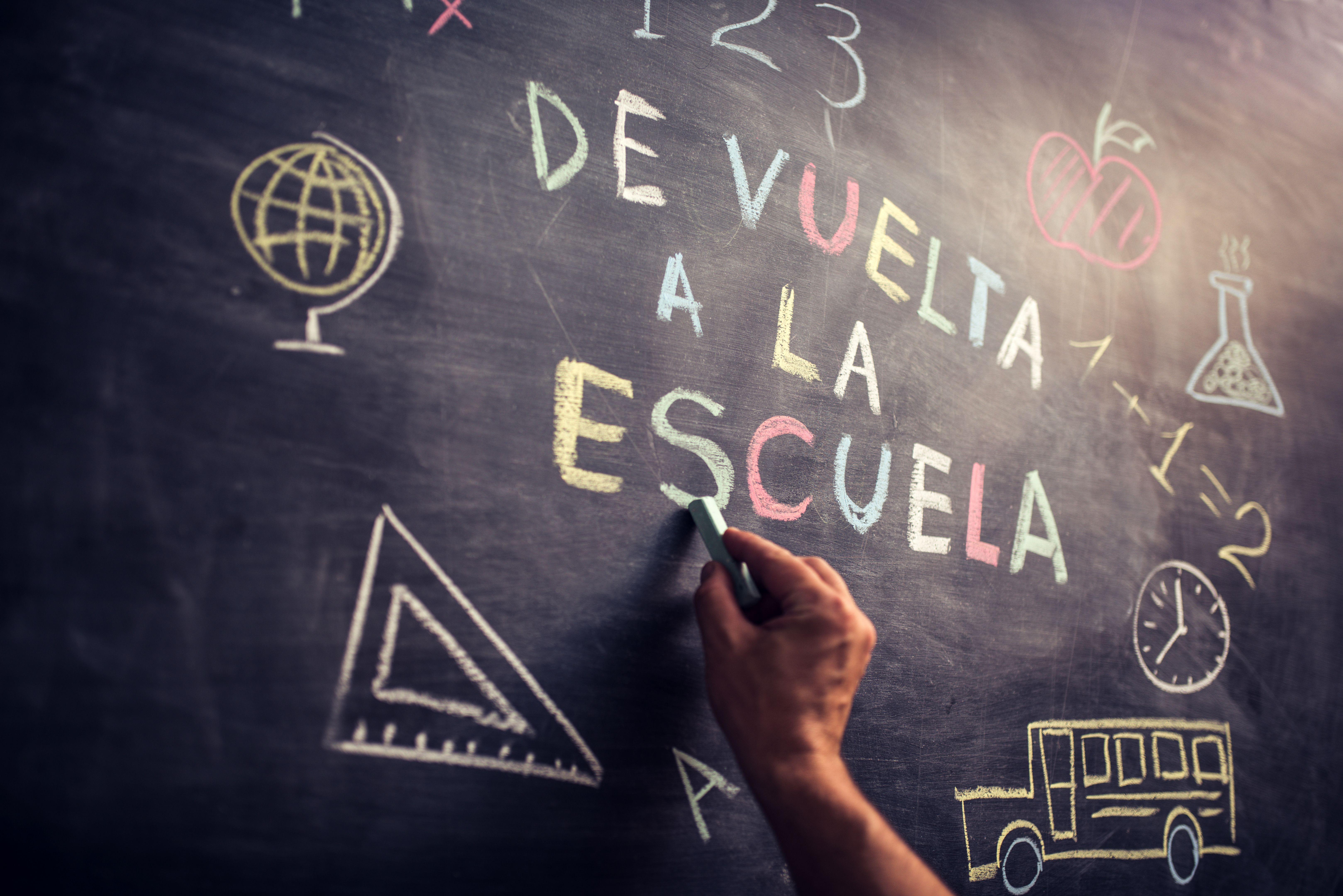
Another important aspect is the language. While many Spaniards speak English, especially in major cities, communicating in Spanish or having a translator on hand can help bridge any gaps and show respect for the local culture. This will not only ease planning but also enhance guest experience.
Choosing the Right Venue
Venue selection is a critical factor in successful event planning. Spain offers a myriad of options from historic venues to modern spaces. However, one common mistake is neglecting to visit the venue beforehand. A venue might look perfect online but seeing it in person ensures it meets your event's specific requirements.
Additionally, consider the venue's location. Accessibility is key, especially if your guests are traveling from different parts of Spain or abroad. Choose a venue that’s easy to find and offers convenient transportation options.
Navigating Legal Requirements
Understanding the legal requirements for hosting an event in Spain is imperative. One common oversight is failing to acquire the necessary permits and licenses, which can lead to last-minute cancellations or fines. Depending on the nature of your event, you may need permits for music, alcohol, or special equipment.
Ensure you also have appropriate insurance coverage. Event liability insurance can protect against unforeseen circumstances such as accidents or cancellations. Consulting with a local event planner or legal advisor can provide clarity and ensure compliance with all regulations.
Planning Around Holidays and Siestas
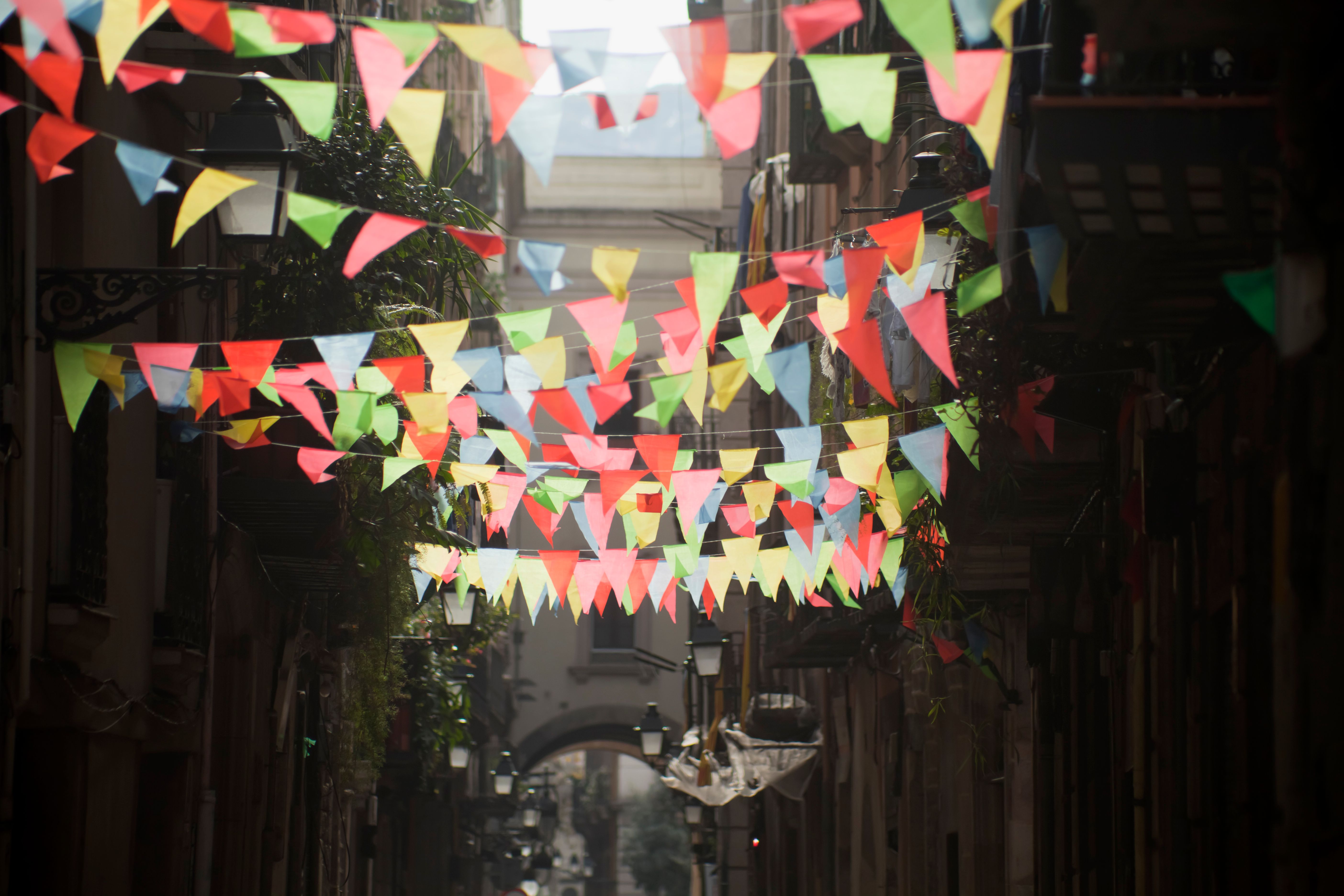
Spain has numerous public holidays and regional festivals that can impact your event planning. Researching these dates is crucial to avoid scheduling conflicts. Additionally, many businesses close during "siesta" hours in the afternoon, which could affect suppliers and services.
It’s wise to plan your event activities around these times to ensure you have all necessary resources available when needed. This can also enhance your guests' experience by allowing them to partake in local traditions and festivities.
Overlooking Local Cuisine
Food is an integral part of Spanish culture, and incorporating local cuisine into your event can greatly enhance its appeal. One common mistake is not offering traditional Spanish dishes, which can disappoint guests who are eager to experience authentic flavors.
Work with local caterers who understand Spanish culinary traditions and can provide a menu that reflects the region’s specialties. Tapas, paella, and churros are just a few examples that can add a delightful touch to your event.
Ineffectively Managing Time Zones
If you’re planning an event that involves international participants, time zone management is crucial. Spain operates on Central European Time (CET), which might differ significantly from your home country. Mismanaging time zones can lead to scheduling mishaps and missed communications.
Ensure all communications clearly state the time zone and consider using digital tools that automatically adjust meeting schedules for participants in different regions. This will help keep everyone on the same page and ensure smooth operations.

Conclusion
Planning an event in Spain can be a rewarding experience if done correctly. By avoiding common mistakes such as neglecting cultural nuances, overlooking legal requirements, and mismanaging logistics, you can ensure your event runs smoothly. Embrace the vibrant Spanish culture, savor its cuisine, and be prepared for its unique pace of life to create an unforgettable event for your guests.